This research group focuses on the impact of educational and learning environments on the psychological dimensions of language learners, as well as on the theory and practice of language education that fosters awareness of linguistic and cultural diversity.
Research Group Overview
Our research group explores a wide range of topics related to language education and learning, addressing both theoretical and practical dimensions. Our main areas of interest are as follows:
(1) Analysis of the impact of educational and learning environments on learners’ psychological factors
We investigate how various factors—ranging from micro-level elements such as classroom content, activities, and the use of ICT and AI, to macro-level aspects such as curricula and syllabi—affect learners’ motivation, emotions, and autonomy. Our research draws on insights from educational psychology to analyze these dynamics.
(2) Language education that fosters awareness of linguistic and cultural diversity
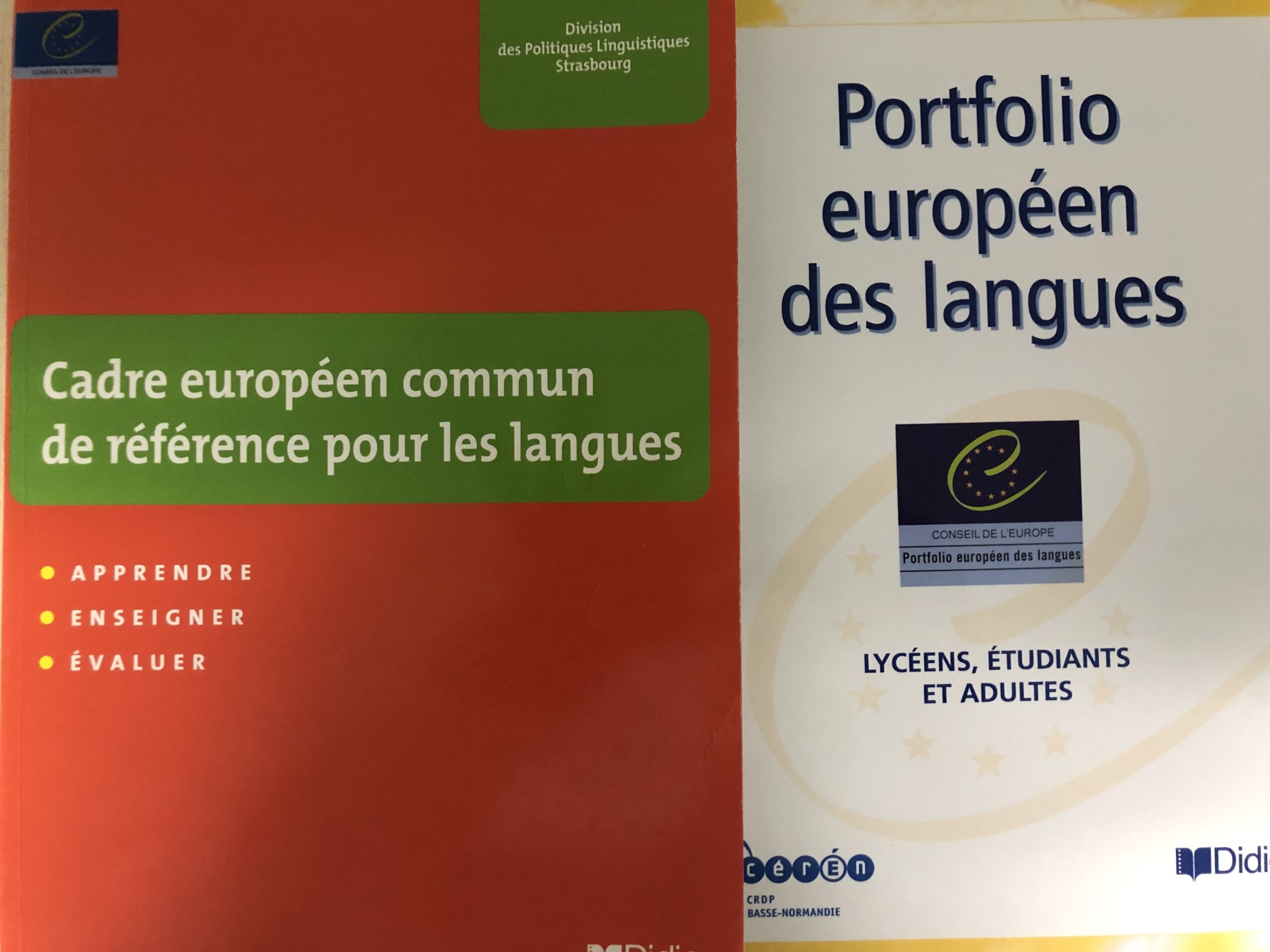
Grounded in the concept of plurilingualism and pluriculturalism as promoted by the Council of Europe, we explore how these principles can be contextualized within foreign language education in Japan. In addition to theoretical inquiry, we also engage with classroom practices—such as reflection activities using language portfolios—to examine how such approaches can raise learners’ awareness and foster attitudinal change.
Students I am looking for
We welcome individuals who are motivated to explore the significance of language education and learning from a broad perspective—beyond the mere acquisition of knowledge and skills. While my primary research area is French language education, students with interests in other target languages are equally encouraged to apply.
Note for prospective applicants to the Master’s or Doctoral program in this laboratory:
Before applying, please contact me with a draft of the “Research Topic Summary”(研究課題概要), which is one of the required application documents (as a general rule, I do not respond to inquiries that do not include a draft of the “Research Topic Summary”). For its format and required contents, please refer to the application guidelines posted on the “Graduate Admissions” page. After reviewing the draft, I may arrange online interview if necessary.
International applicants to the Master’s program should note that the entrance examination, including both the written examination and interview, is conducted in Japanese, and that classes after enrollment are also generally conducted in Japanese. Applicants to the Master’s program are therefore expected to have sufficient Japanese proficiency to undertake their studies and research.
PhD thesis topics
・Developing Intercultural Competencies through Online Communication between Learners of Japanese from Different Linguistic and Cultural Backgrounds
・The Reciprocal Interaction Between Motivation and Emotions in Japanese University Students’ Learning of French
Master's thesis topics
・A Qualitative and Quantitative Study on Enhancing "Noticing" in Second Language Learning
・Effects of Tandem Language Learning on the Development of Learner Autonomy in Japanese EFL Learners